
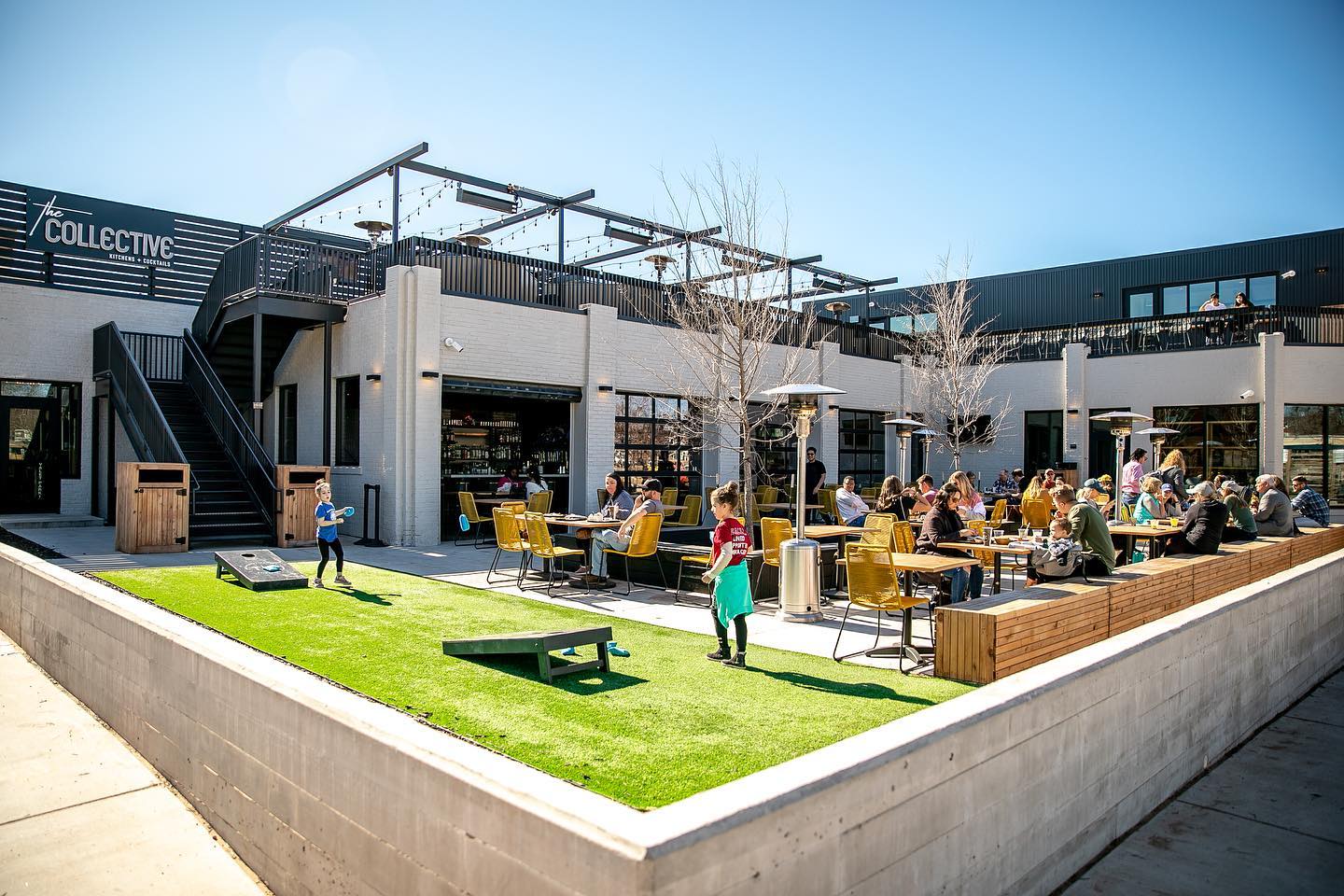
The Evolution of Outdoor Terrace Dining: Elevating the Modern Culinary Experience
Outdoor terrace dining has evolved from a simple seasonal amenity into a core component of the global culinary industry. Today, patrons look for more than just a meal; they seek a complete sensory experience that combines high-quality gastronomy with fresh air, natural light, and scenic backdrops. From sweeping rooftop vistas to cozy garden patios, the outdoor terrace serves as a powerful bridge connecting the indoor comfort of a restaurant with the vibrant energy of the surrounding environment.
The Architectural Harmony of Form and Function
Designing a successful outdoor dining terrace requires a deliberate balance between aesthetics and engineering. Modern hospitality architecture relies heavily on flexible structures to combat changing weather patterns, ensuring the barlanuevataberna space remains viable throughout the year. Retractable pergolas, motorized glass windscreens, and integrated misting or heating systems allow venues to adapt instantly to shifting climates.
Furthermore, strategic landscaping plays a critical role in shaping the atmosphere. Designers frequently use dense greenery, vertical gardens, and large potted trees to establish natural privacy barriers. This foliage serves a dual purpose: it buffers the dining area from street noise and creates an intimate, oasis-like environment. Textural elements like stone tiling, warm hardwood decking, and ambient, low-voltage lighting work together to craft an upscale, welcoming aesthetic that mirrors the interior design language of the restaurant.
Menu Engineering and Al Fresco Adaptations
The shift from indoor dining rooms to open-air terraces directly influences contemporary menu development. Culinary teams must design dishes that can withstand ambient environmental factors, such as wind and temperature fluctuations. As a result, terrace menus often highlight crisp, clean profiles, focusing heavily on chilled seafood towers, artisanal charcuterie, and vibrant, seasonal produce.
Beverage programs are similarly tailored to maximize the al fresco experience. Curated wine lists place a strong emphasis on crisp white varieties, dry rosés, and light-bodied reds that pair effortlessly with warmer weather. Mixologists lean into fresh, aromatic profiles, utilizing garden-grown herbs, house-infused spirits, and bright citrus elements to craft signature cocktails that are as visually striking as they are refreshing.
The Lasting Appeal of Social and Experiential Spaces
At its core, terrace dining taps into a deep-seated human desire for social connection and relaxation. The open-air setting naturally fosters a more relaxed, unhurried atmosphere compared to traditional indoor seating. Whether capturing a dramatic sunset over a cityscape or enjoying a quiet brunch by the coast, the terrace provides a scenic backdrop that encourages guests to linger, converse, and fully immerse themselves in the moment. As diners continue to prioritize unique experiences, the outdoor terrace remains an essential pillar of modern hospitality, redefining how people gather and connect over food.