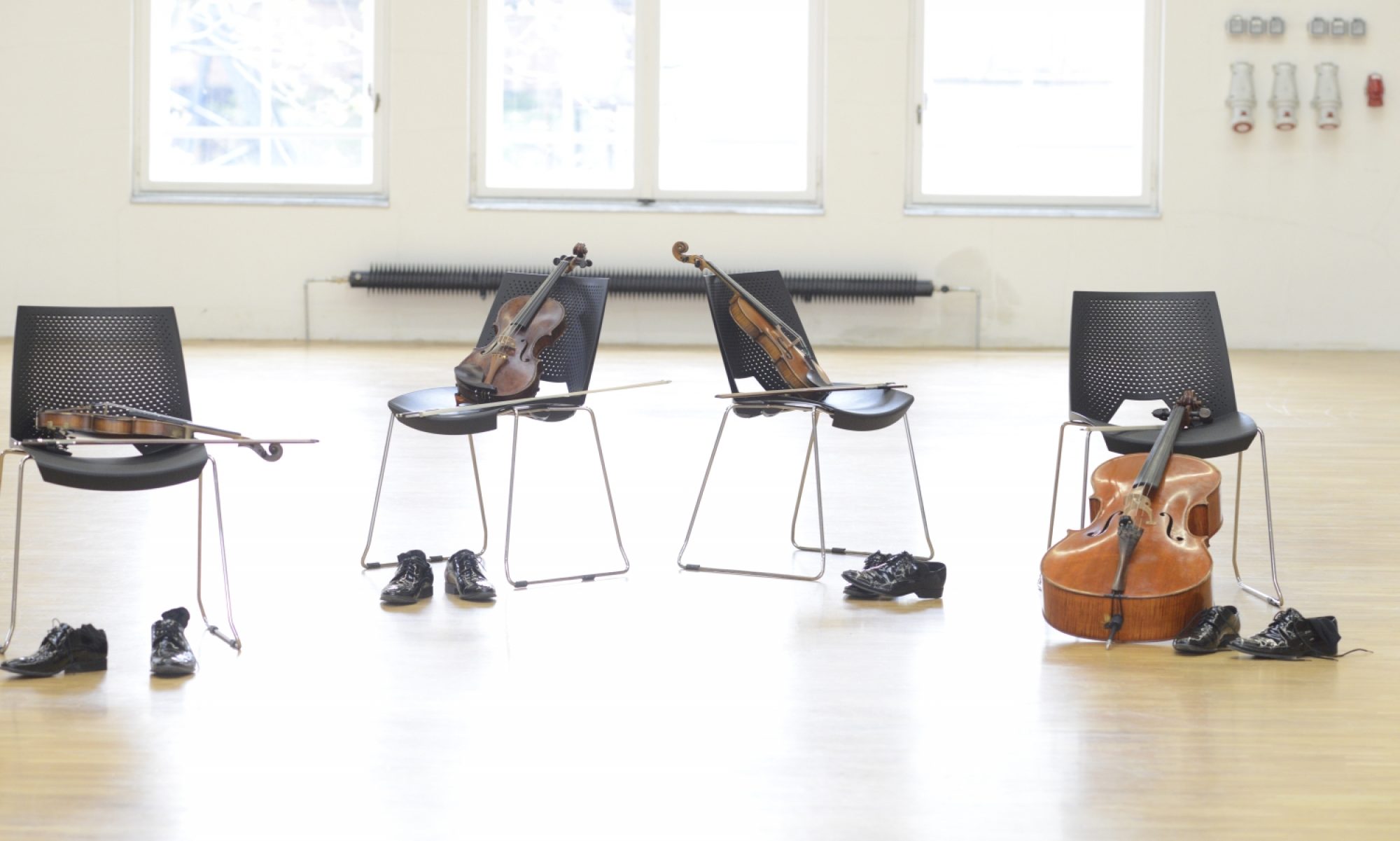
„The Art of Precision: From Medical Entry to Design Philosophy“
Let’s be real: most of us navigate life with the precision of a toddler wielding a spaghetti noodle. We „eyeball“ the IKEA instructions, we „guess“ if that milk smells sour, and we definitely „assume“ we have enough gas to make it to the next station. But then there are the realms where „close enough“ is a one-way ticket to disaster. Whether you are navigating the high-stakes world of medical entry requirements or trying to figure out why your living room looks like a modern art accident, precision is the difference between a masterpiece and a „what on earth was I thinking?“ moment.
„The Scalpel vs. The Sketchpad: Why Tiny Details Matter“
In the world of medicine, precision isn’t just a suggestion; it’s the law. If a doctor is off by a millimeter, things get awkward very quickly. The nuansa of a diagnosis depends on data so specific it would make a NASA engineer sweat. This level of accuracy starts long before anyone picks up a stethoscope—it begins with the grueling medical entry process. You have to be precise about your grades, your volunteer hours, and even the way you explain why you want to help people without sounding like a Hallmark card. But then, look at design philosophy. You might think, „Hey, it’s just a chair,“ but a designer spent three months obsessing over the elegan https://www.99formed.com/ curve of a leg so you don’t tip over while reaching for the remote. Both fields rely on a kombinasi sempurna of science and art. In medicine, precision saves lives; in design, it saves your lower back and your social reputation. It’s all about the nuansa of the small stuff.
„The Great Debate: Perfectionism vs. ‚Good Enough'“
This brings us to a spicy discussion topic for the overachievers among us: Is the obsession with total precision a path to greatness, or is it just a fancy way to drive yourself and everyone around you completely insane? On one side of the drafting table, we have the „Precision Purists.“ These are the folks who will measure a picture frame with a laser level and rewrite an email six times to ensure the punctuation is eksotis (okay, maybe just „correct“). They argue that ketenangan sejati only comes when everything is exactly where it should be. In their world, a 0.1% margin of error is a personal insult. They believe that true mewah is found in the things that are done perfectly, hidden from the naked eye. On the other side, we have the „Chaos embracers.“ They argue that seeking absolute precision is a trap. They believe that the keindahan alam of life is found in the imperfections—the „happy accidents“ that Bob Ross talked about. They think that if you spend too much time worrying about the fasilitas or the exact alignment of your floor tiles, you miss the actual pengalaman menginap of life.
„When Design Meets the Real World (And Gets Slapped)“
The funniest part about precision is watching it meet reality. You can have the most eksklusif design plan in the world, with a nuansa of minimalist grace, but then a cat walks across the table or a human tries to use the furniture. Suddenly, that elegan glass table is covered in fingerprints and regret. Whether you are aiming for a medical entry into a prestigious university or just trying to hang a shelf without it looking like a downhill ski slope, the goal is the same: balance. You need enough precision to keep the wheels from falling off, but enough flexibility to realize that life isn’t a CAD drawing. In the end, maybe the most elegan design philosophy is realizing that we are all just works in progress. We strive for the surga mewah of a perfect life, but we usually end up with something that’s a little bit crooked and a lot more interesting. In a world obsessed with ‚optimized‘ lives, would you rather be 100% precise and incredibly stressed, or 80% accurate and actually get eight hours of sleep?
interest in CBD health merely don’t fuck where to start up? study our comprehensive examination thc infused seltzer guide to read how pure CBD, full-of-the-moon spectrum CBD, and CBD sequester defend your consistence. different THC, thoroughgoing CBD provides non-psychoactive welfare that hold on you astute and loosen. Whether you opt CBD anele send away, CBD comestible, or CBD space capsule, we explicate CBD dose so you potty pick the undecomposed CBD mathematical product. take off your cancel CBD travel nowadays with over authority in certify organic CBD!